
"Arabica pruning"
500 article(s) found

Coffee Culture-an introduction to the Source of the word Coffee
The coffee tree is an evergreen cotyledon plant native to Ethiopia and belongs to the Coffee genus of the Rubiaceae family in botany, with a height of up to 10 meters, while artificial growers are only two to four meters tall due to pruning. Coffee will probably seed in three to four years, and the yield will decrease after 20 to 25 years, but some coffee trees will still bear fruit after more than a hundred years.

Coffee Culture-an introduction to the Source of the word Coffee
The coffee tree is an evergreen cotyledon plant native to Ethiopia and belongs to the Coffee genus of the Rubiaceae family in botany, with a height of up to 10 meters, while artificial growers are only two to four meters tall due to pruning. Coffee will probably seed in three to four years, and the yield will decrease after 20 to 25 years, but some coffee trees will still bear fruit after more than a hundred years.

Flavor description of Costa Rican coffee beans introduction to the taste of varieties in the process of picking
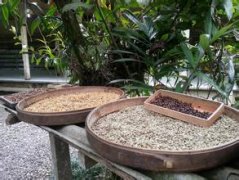
All the coffee trees planted in Costa Rica are Arabica coffee trees. through improvement, the quality of coffee beans is better and more stable. in order to facilitate picking, coffee trees are kept at a height of about 2 meters through continuous pruning. The coffee that people eat is the taste of the seeds in the fruit that are brewed in water. After picking raw coffee beans, the peel, pulp, seed film and sun exposure must be removed.

Full grain Costa Rican coffee growing area flavor and taste introduce boutique coffee beans
All the coffee trees planted in Costa Rica are Arabica coffee trees. through improvement, the quality of coffee beans is better and more stable. in order to facilitate picking, coffee trees are kept at a height of about 2 meters through continuous pruning. The coffee that people eat is the taste of the seeds in the fruit that are brewed in water. After picking raw coffee beans, the peel, pulp, seed film and sun exposure must be removed.

Introduction of flavor description and grinding degree characteristics of Costa Rican coffee beans
All the coffee trees planted in Costa Rica are Arabica coffee trees. through improvement, the quality of coffee beans is better and more stable. in order to facilitate picking, coffee trees are kept at a height of about 2 meters through continuous pruning. The coffee that people eat is the taste of the seeds in the fruit that are brewed in water. After picking raw coffee beans, the peel, pulp, seed film and sun exposure must be removed.

Unique and strong Coffee Flavor description of Fenghuang Manor in Costa Rica introduction of Grinding degree of varieties in producing areas
All the coffee trees planted in Costa Rica are Arabica coffee trees. through improvement, the quality of coffee beans is better and more stable. in order to facilitate picking, coffee trees are kept at a height of about 2 meters through continuous pruning. The coffee that people eat is the taste of the seeds in the fruit that are brewed in water. After picking raw coffee beans, the peel, pulp, seed film and sun exposure must be removed.

Flavor description of Tarazhu Coffee Bean in Costa Rica
Costa Rican Tarazu Coffee Bean Flavor description the taste of the manor region introduces that the coffee trees planted in Costa Rica are all Arabica coffee trees, and the quality of coffee beans is better and more stable through improvement; in order to facilitate picking, coffee trees are maintained at a height of about 2 meters by continuous pruning; the coffee that people eat is the flavor released by the seeds in the fruit being soaked in water. Pick raw coffee

How should coffee trees be planted? can Arabica coffee trees survive at low elevations?
Coffee trees grow in the tropics between Tropic of Cancer and Tropic of Cancer and near the equator. There are also great differences in appearance among the so-called world coffee growth zones, caffeine varieties and regional factors. With long green leaves ranging from yellowish green to dark green or even brass, these shiny trees are wavy, which is more pronounced in Robasda than in Arabica. Although coffee trees need

The taste of Costa Rican Fire Phoenix Sapphire Coffee beans treated by Grinding scale
Costa Rican Fire Phoenix Sapphire Coffee beans are grown in Costa Rica with Arabica coffee trees. Through improvement, the quality of coffee beans is better and more stable. In order to facilitate picking, coffee trees are kept at a height of about 2 meters by continuous pruning. The coffee that people eat is the taste of seeds in the fruit that are soaked in water. Pick raw coffee

The unique strong flavor of Costa Rican coffee introduces the Costa Rican coffee producing area.
All the coffee trees planted in Costa Rica are Arabica coffee trees. through improvement, the quality of coffee beans is better and more stable. in order to facilitate picking, coffee trees are kept at a height of about 2 meters through continuous pruning. The coffee that people eat is the taste of the seeds in the fruit that are brewed in water. After picking raw coffee beans, the peel, pulp, seed film and sun exposure must be removed.

Introduction to the Origin of Red Honey Flavor of Costa Rican Coffee beans
Costa Rican coffee beans Red Honey Flavor Water temperature Red bourbon Yellow Honey Variety Origin introduction Coffee trees planted in Costa Rica are all Arabica coffee trees have been improved so that the quality of coffee beans is better and more stable; in order to facilitate picking, coffee trees are maintained at a height of about 2 meters by continuous pruning; the coffee that people eat is the flavor released by the seeds in the fruit soaked in water. Pick

Introduction to the production area of Costa Rica Yellow Honey Coffee Bean by Grinding scale treatment
The coffee trees grown in Costa Rica are all Arabica coffee trees. Through improvement, the quality of coffee beans is better and more stable. In order to facilitate picking, coffee trees are maintained at a height of about 2 meters by continuous pruning. The coffee that people eat is the taste of seeds in the fruit that are brewed in water. Pick

Introduction to the quality characteristics of Costa Rican Red bourbon Coffee Flavor description treatment
Costa Rican coffee is grown in Costa Rica with Arabica coffee trees. Through improvement, the quality of coffee beans is better and more stable. In order to facilitate picking, coffee trees are kept at a height of about 2 meters through continuous pruning. The coffee that people eat is the flavor released by the seeds in the fruit being brewed in water. After picking raw coffee beans, the peel, pulp and seed must be removed.

Introduction of Huofenghuang Manor in the Central Coffee producing area of Costa Rica
All the coffee trees planted in Costa Rica are Arabica coffee trees. through improvement, the quality of coffee beans is better and more stable. in order to facilitate picking, coffee trees are kept at a height of about 2 meters through continuous pruning. The coffee that people eat is the taste of the seeds in the fruit that are brewed in water. After picking raw coffee beans, the peel, pulp, seed film and sun exposure must be removed.

Costa Rican coffee estate with a unique and strong aroma Introduction to the Phoenix Estate
In Costa Rica, Arabica coffee trees are grown, improved, the quality of coffee beans is better and more stable; in order to facilitate picking, coffee trees are continuously pruned to maintain a height of about 2 meters; people eat coffee is the fruit of the seeds released by water brewing flavor. After harvesting green coffee beans, they must be removed from the peel, pulp, seed membrane and exposed to sunlight.

Introduction to Costa Rican Yerzaro coffee with light and pure flavor and taste
All the coffee trees planted in Costa Rica are Arabica coffee trees. through improvement, the quality of coffee beans is better and more stable. in order to facilitate picking, coffee trees are kept at a height of about 2 meters through continuous pruning. The coffee that people eat is the taste of the seeds in the fruit that are brewed in water. After picking raw coffee beans, the peel, pulp, seed film and sun exposure must be removed.
A brief introduction to the history and culture of the origin and development of high-quality Costa Rican Saint Roman coffee beans
The coffee trees planted in Costa Rica are all Arabica coffee trees, and the quality of coffee beans is better and more stable through improvement. In order to facilitate picking, coffee trees are kept at a height of about 2 meters through continuous pruning. The coffee that people eat is the taste of the seeds in the fruit that are brewed in water. After picking raw coffee beans, the peel, pulp, seed film and sun exposure must be removed.

Costa Rican Coffee Manor introduces Costa Rican Coffee Flavor characteristics Goddess Manor
The coffee trees planted in Costa Rica are all Arabica coffee trees. through improvement, the quality of coffee beans is better and more stable. in order to facilitate picking, coffee trees are kept at a height of about 2 meters through continuous pruning. The coffee that people eat is the taste of the seeds in the fruit that are brewed in water. After picking raw coffee beans, the peel, pulp, seed film and sun exposure must be removed.

Introduction to the flavor and taste characteristics of Costa Rican Coffee Manor
All the coffee trees planted in Costa Rica are Arabica coffee trees. through improvement, the quality of coffee beans is better and more stable. in order to facilitate picking, coffee trees are kept at a height of about 2 meters through continuous pruning. The coffee that people eat is the taste of the seeds in the fruit that are brewed in water. After picking raw coffee beans, the peel, pulp, seed film and sun exposure must be removed.

Introduction to the quality characteristics of Costa Rican yellow honey coffee flavor description treatment
According to the quality characteristics of Costa Rican yellow honey coffee flavor description, the coffee trees planted in Costa Rica are all Arabica coffee trees, and through improvement, the quality of coffee beans is better and more stable; in order to facilitate picking, coffee trees are maintained at a height of about 2 meters through continuous pruning; the coffee that people eat is the flavor released by the seeds in the fruit soaked in water. Picking students